Counter-Strafing in CS2: A Ten-Minute Drill That Sticks
Most rifle duels in Counter-Strike 2 are decided before the trigger is pulled. If your character is still sliding when you fire, the first bullet goes somewhere you did not aim, and no crosshair setting will save it. Counter-strafing is the habit that removes the slide: you tap the opposite movement key to cancel momentum, then shoot while standing still.
It sounds simple. It is also the first habit to crumble when I play tired, learn a new map, or come back after an update when everything feels slightly unfamiliar. So I keep a separate ten-minute drill for it.
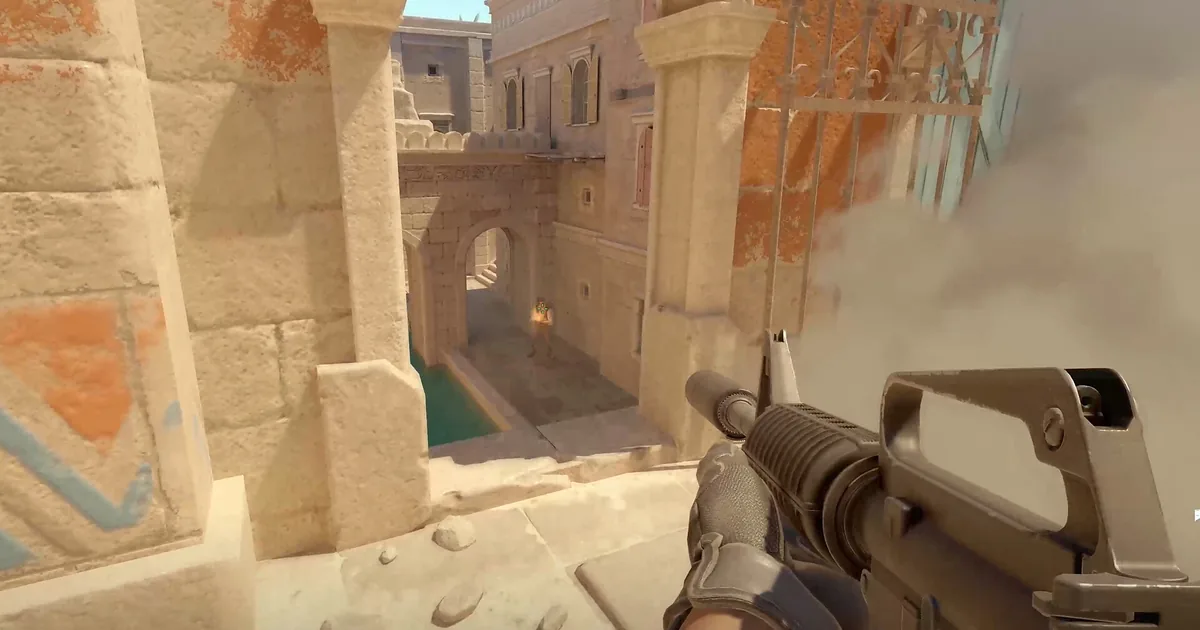
Why moving shots miss
The game rewards standing still. Rifles are at their most accurate when you are stationary, and letting go of a key does not stop you instantly, because your character keeps decelerating for a moment. Pressing the opposite key shortens that slowdown. Speed is not the point by itself. The point is to reach a full stop at the exact moment the enemy appears under your crosshair.
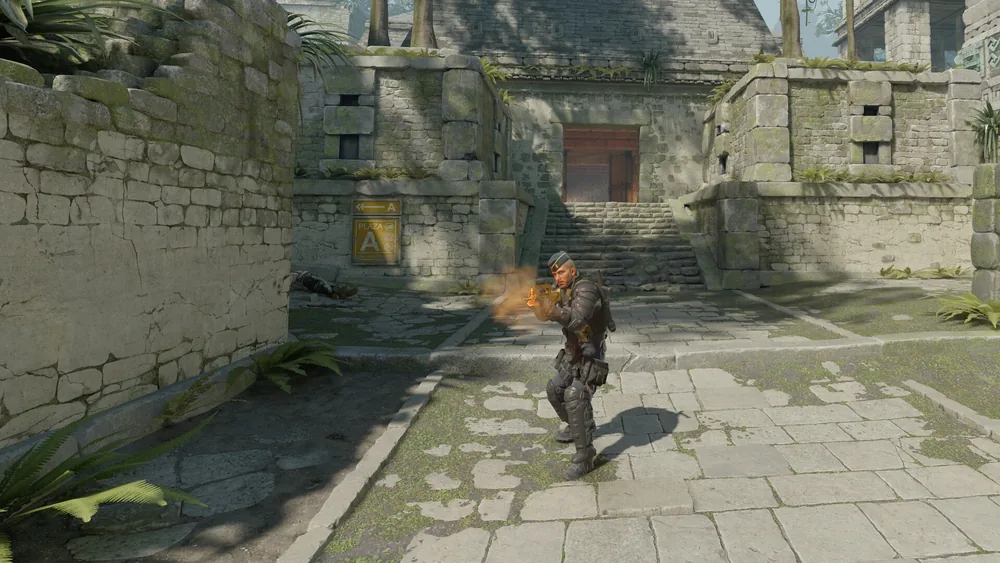
The ten-minute drill
I run it on an empty server with bots, or on any aim map that lets me move freely.
- Two minutes of wide strafes. Strafe left, tap right, fire one bullet. Strafe right, tap left, fire. No target needed; I am only listening for the rhythm.
- Three minutes on a single bot. Peek a doorway, stop with the counter key, fire one or two shots, step back. Repeat from both sides.
- Three minutes of jiggle and commit. Shoulder-peek twice, then commit on the third peek with a proper stop.
- Two minutes of deliberate mistakes. I fire while moving on purpose to remember what a bad first bullet looks like. It makes the good version easier to recognise.
Errors I still catch myself making
- Over-tapping. Holding the counter key too long starts moving me the other way.
- Crouching instead of stopping. A crouch spray hides a bad stop; it does not fix it.
- Shooting at sound. Footsteps pull my finger before my feet are ready.
- Training only one side. Most players stop worse in one direction, so the weak side gets an extra minute.
Where it fits in my evening
The drill is not a full warm-up, just one block of a longer session. I slot it into the middle of this twenty-minute routine, between ten minutes of deathmatch and a short set of utility walk-outs. Keeping it in the same place every night is what makes it stick. When an update arrives I do not add new drills; I only check whether my stops still feel the same.
How I know it is working
I do not track a score. I watch a few opening duels from my last match. If my character is visibly sliding when I shoot, the drill gets two extra minutes the next day. If the stops look clean and I still lose those duels, the problem lives somewhere else, such as positioning, timing or simply a stronger opponent, and that goes into a different note.